Skip to content
Use . It makes a lot more sense than what we recommend in 😒.Don’t drain the battery. Each decision takes energy. When tough decisions appear, defer to the . For small decisions, defer until tomorrow. Don’t let new abstract ideas sneak in. Work with what you have. (p. 159)



The Official 5-Day Design Sprint
- Pages


Share
Explore
 3. Storyboard
Now it's time to take the winning sketches and string them together into a storyboard.
By Wednesday afternoon, you’ll be able to feel with customers looming ahead. Because of the short timeline, it’s tempting to jump into prototyping as soon as you’ve selected your winning ideas. But if you start prototyping without a plan, you’ll get bogged down by the small, unanswered questions. Pieces won’t fit together, and your prototype could fall apart.

On Wednesday afternoon, you’ll answer those small questions and make a plan. Specifically, you’ll take the winning sketches and string them together into a storyboard. This will be similar to the three-panel storyboards you sketched on , but it will be longer: about ten to fifteen panels, all tightly connected into one cohesive story.

Pro tips
@Decider
Storyboard
Set the timer and follow the steps below to create your storyboard.
Clear examples
Exercise
Allocated time
Timer
Time Left
Write privately
000
10Start
-
Share & vote
000
5Start
-
Decide
000
10Start
-
Storyboard
000
120Start
-
There are no rows in this table
145
Sum
A. Write privately
Each person writes the 4-6 actions the user will take to go from starting point → goal. Remember to mark which winning sketch from you are storyboarding.
Tips: start with the first action step (see ) and the goal at the end (see ). Then, fill in the blanks in the middle.
Add step
User action
Author
Sketch
No results from filter
B. Share and vote
Each person takes 30 seconds to walk through their steps. As you listen, ❤️ your favorite steps.
Sketch
Author
User action
Upvote
The Henry Ford
14
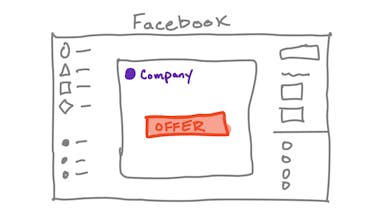
User sees FB post and clicks on link
2
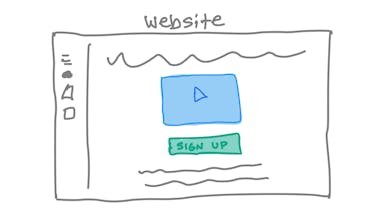
User watches video and clicks on link to sign up
1
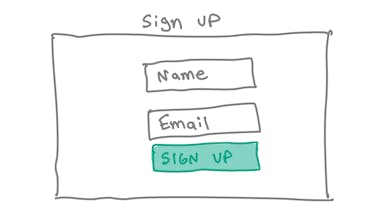
User inputs email and clicks sign up
1
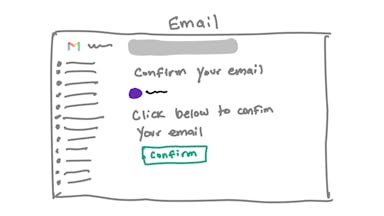
User receives an email from service
User searches for coffee bean type
User starts shopping
User buys coffee beans
User reads FB ad and clicks through
4
User reads article and clicks on “sign up” button
3
User reads testimonials on home page
2
User inputs email and clicks “sign up”
1
User receives confirmation email and clicks “verify”
1
User is taken to home page
User browses coffee beans and clicks into item they like
C. Decide
Who is the ? She should make the final call on which steps to include in the final storyboard. She can choose to respect the votes or not.
@Decider
Sketch
Author
User action
Upvote
Decider's pick
The Henry Ford
14
7
User reads FB ad and clicks through
4
User reads article and clicks on “sign up” button
3
User reads testimonials on home page
2
User inputs email and clicks “sign up”
1
User receives confirmation email and clicks “verify”
1
User is taken to home page
User browses coffee beans and clicks into item they like
7
User sees FB post and clicks on link
2
User watches video and clicks on link to sign up
1
User inputs email and clicks sign up
1
User receives an email from service
User searches for coffee bean type
User starts shopping
User buys coffee beans
D. Storyboard
Now draw out your story, one frame at a time, just like a comic book. Digital whiteboard tools like
, , or work great for the sketches.The Henry Ford
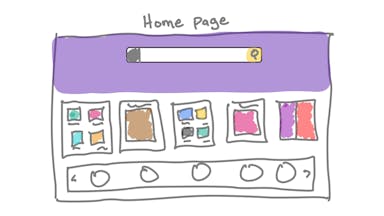
User reads FB ad and clicks through
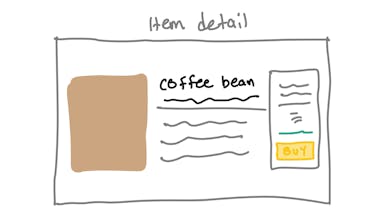
User watches video and clicks on link to sign up
User inputs email and clicks “sign up”
User receives confirmation email and clicks “verify”
User is taken to home page
User browses coffee beans and clicks into item they like
Once you’ve incorporated all the winning , the storyboard will be complete. And you’ve finished with the hardest part of the sprint. The decisions are made, the plan for your prototype is ready, and is a wrap.
Want to print your doc?
This is not the way.
This is not the way.
Try clicking the ··· in the right corner or using a keyboard shortcut (
CtrlP
) instead.